
9 Warning Signs of Diabetes You Might Be Overlooking
Diabetes affects millions of people worldwide, and many remain unaware they have it until the condition has already advanced. Early detection can make a huge difference in managing the disease and preventing serious complications. Unfortunately, many symptoms develop slowly or are easy to dismiss as everyday health issues.
Here are 9 common early warning signs of diabetes that people often overlook — and why you should take them seriously.
1. Excessive Thirst and Frequent Urination
One of the earliest symptoms of diabetes is feeling unusually thirsty all the time and needing to urinate often, especially at night. High blood sugar forces the kidneys to work harder to filter excess glucose, drawing fluid from the body and leading to dehydration and increased thirst.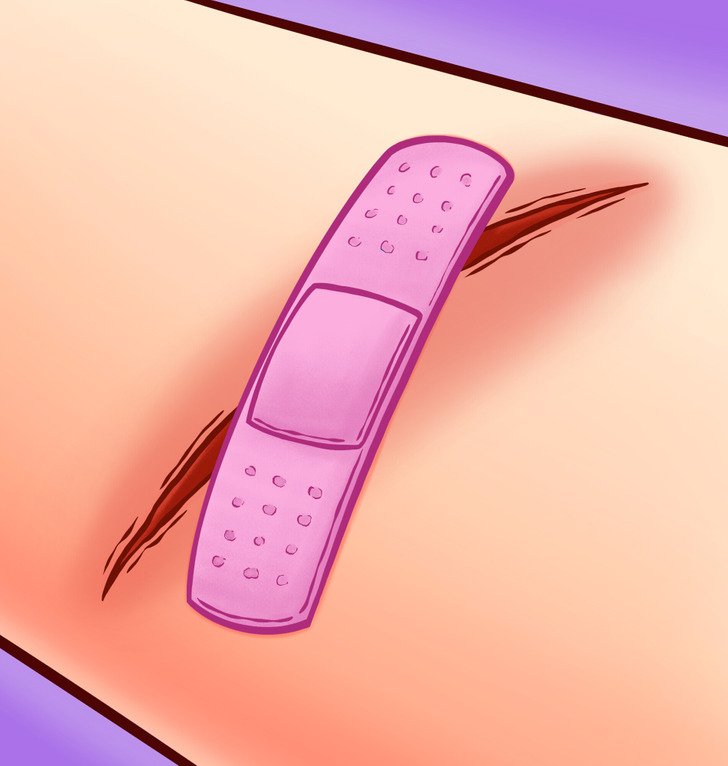
2. Unexplained Fatigue
Feel drained even after a full night’s sleep? When glucose isn’t properly absorbed into cells to be used for energy, you may feel tired and worn out, even if you’re otherwise healthy.
3. Blurred Vision
High blood sugar can cause the lens of the eye to swell, affecting your ability to see clearly. Blurred vision that comes and goes can be a subtle early indication of diabetes and should be checked by a professional.
4. Slow Healing Cuts and Bruises
Diabetes can impair circulation and damage nerves, which slows down the healing process. If cuts, sores, or bruises take longer than usual to heal, this can be a sign that blood sugar levels are elevated.
5. Unexplained Weight Loss
Sudden weight loss, especially when you haven’t changed your diet or exercise habits, can be a red flag for diabetes. When the body can’t use glucose for energy, it begins to burn muscle and fat instead.
6. Tingling or Numbness in Hands and Feet
Nerve damage, known as diabetic neuropathy, is a common complication of diabetes. Early symptoms include tingling, numbness, or burning sensations in the hands and feet.
7. Frequent Infections
People with diabetes are more prone to infections, especially urinary tract infections, skin infections, and yeast infections. This is due to impaired immune response and elevated glucose levels that create a favorable environment for bacteria and yeast.
8. Irritability and Mood Changes
High or fluctuating blood sugar can affect the brain and mood regulation. You might experience unexplained irritability, anxiety, or difficulty concentrating — all possible early signs of diabetes.
9. Increased Hunger
Despite eating regularly, some people with early diabetes feel unusually hungry. This happens because the body’s cells are not getting glucose efficiently, triggering hunger signals even after a sufficient meal.

Why Early Detection Is Important
Diabetes, especially type 2 diabetes, often develops gradually. Ignoring these early warning signs may lead to complications such as heart disease, kidney damage, vision problems, and nerve damage. Detecting the condition early allows for lifestyle changes and medical interventions that can slow or stop its progression.
What You Should Do
If you notice one or more of these symptoms, talk to a healthcare provider. They can run simple tests such as fasting blood glucose or A1C to determine whether your blood sugar is in a healthy range.
Taking action early can make a significant difference in long-term outcomes — and improving your health starts with paying attention to what your body is trying to tell you.


0 commentaires:
Enregistrer un commentaire