
Persistent hip pain may signal more than strain—know the warning signs early.
Hip pain is often dismissed as a simple muscle strain or the result of sleeping in an awkward position. But persistent or worsening discomfort in the hip can sometimes signal deeper problems involving joints, nerves, circulation, or even internal organs.
The hip joint is one of the largest and most important joints in the body. It supports your weight, stabilizes movement, and allows you to walk, bend, sit, and stand. Because it plays such a critical role in everyday movement, pain in this area should never be ignored—especially if it lingers.
Here’s what hip pain may be telling you.
1. It Could Be Joint Degeneration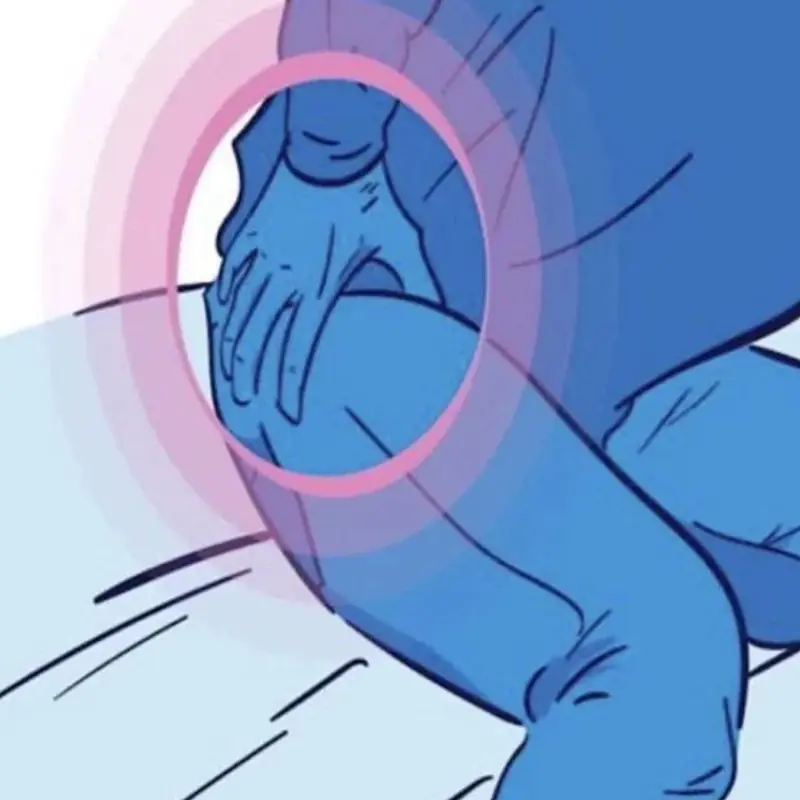
One of the most common causes of hip pain is osteoarthritis. This condition develops when the protective cartilage cushioning the joint gradually wears down. Without smooth cartilage, bones rub against each other, causing stiffness, swelling, and discomfort.
Symptoms of joint degeneration often include:
Pain that worsens with movement
Stiffness in the morning
Reduced range of motion
A grinding sensation in the joint
Osteoarthritis becomes more common with age but can also affect younger individuals with previous injuries or genetic predisposition.
2. It May Signal Inflammation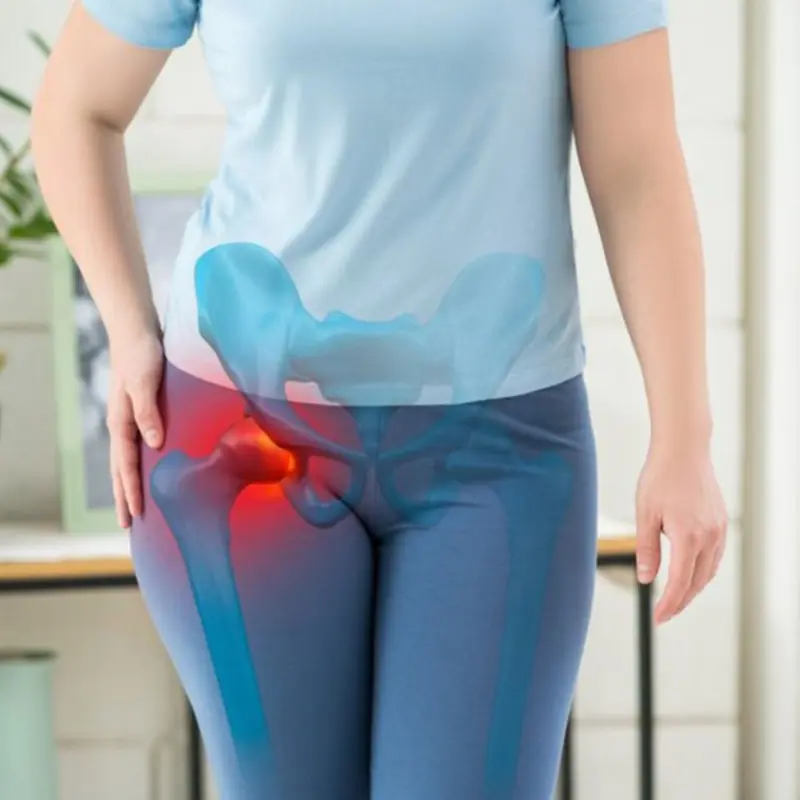
Inflammatory conditions such as bursitis or tendonitis can also cause hip pain. Bursitis occurs when the fluid-filled sacs (bursae) that cushion your joints become irritated or inflamed. Tendonitis involves inflammation of the tendons connecting muscles to bones.
This type of pain is often sharp and localized on the outside of the hip. It may worsen when lying on the affected side or climbing stairs.
Rest, ice, and anti-inflammatory treatments often help, but persistent inflammation should be evaluated by a healthcare provider.
3. It Could Be a Nerve Problem
Hip pain isn’t always caused by the hip joint itself. Sometimes, the discomfort originates in the lower back and radiates downward—a condition commonly known as sciatica.
When the sciatic nerve becomes compressed or irritated, it can cause:
Shooting pain down the leg
Tingling or numbness
Weakness in the lower limb
If your hip pain travels below the knee or is accompanied by numbness, the issue may be nerve-related rather than joint-related.
4. Circulation Issues May Be Involved
In some cases, hip discomfort may relate to poor blood flow. Reduced circulation can cause cramping, aching, or fatigue in the hip and thigh area, especially during physical activity.
Peripheral artery disease (PAD), which involves narrowing of the arteries, can sometimes cause pain in the hips and legs. The discomfort typically improves with rest but returns with walking.
Because circulation problems are closely linked to heart health, persistent symptoms should be taken seriously.
5. Injury or Structural Damage
Sudden hip pain following a fall, impact, or sports injury may indicate a fracture, labral tear, or muscle strain. Hip fractures are especially concerning in older adults, as they can significantly impact mobility and overall health.
Warning signs of serious injury include:
Inability to bear weight
Severe swelling
Visible deformity
Intense pain that doesn’t improve
Immediate medical evaluation is crucial in these cases.
6. Internal Conditions Can Mimic Hip Pain
Interestingly, not all hip pain originates in the musculoskeletal system. Certain abdominal or pelvic conditions may produce referred pain in the hip area.
For example:
Kidney stones can cause side or back pain that radiates toward the hip.
Gynecological conditions may cause pelvic pain that feels like hip discomfort.
Hernias can create pressure and pain near the hip crease.
If hip pain is accompanied by fever, digestive symptoms, or urinary discomfort, a broader medical assessment may be necessary.
When Should You See a Doctor?
While occasional mild soreness may resolve on its own, you should seek medical attention if:
Pain lasts more than a few weeks
Symptoms worsen over time
You experience swelling, redness, or warmth
The pain limits daily activities
There is numbness or weakness
Early diagnosis can prevent minor issues from progressing into chronic problems.
Protecting Your Hip Health
Maintaining strong muscles and healthy joints can reduce your risk of hip pain. Consider these preventive measures:
Maintain a healthy weight to reduce joint stress
Engage in low-impact exercise like swimming or walking
Stretch regularly to improve flexibility
Strengthen core and hip muscles
Practice good posture
The Bottom Line
Hip pain is your body’s way of signaling that something may need attention. Whether it’s joint wear, inflammation, nerve compression, or circulation problems, ignoring persistent discomfort can lead to more serious complications.


0 commentaires:
Enregistrer un commentaire